Cupid s Homeboy Embroidery Review
As a designer who spends more time staring at stitch density charts and fabric swatches than actually sleeping, I have developed a fairly strict filter for digital design assets. The market is flooded with generic clip art that looks fine on a screen but falls apart under the needle. When I pulled Cupid s Homeboy into my workspace to evaluate it for potential use in client projects and small business merchandise, I wasn’t just looking for a cute Valentine’s Day quote; I was looking for structural integrity, visual clarity, and commercial viability.
This design falls squarely into the Crafts and Graphics categories, specifically targeting those of us who need reliable machine embroidery design files that bridge the gap between digital vector aesthetics and physical textile application. Here is my practical breakdown of how this file performs when moved from the screen to the hoop.
First Impressions: Mood and Visual Personality
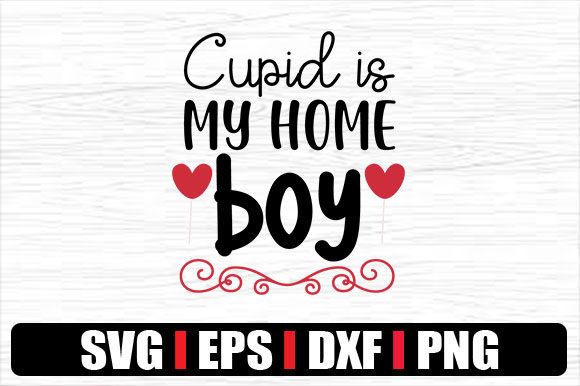
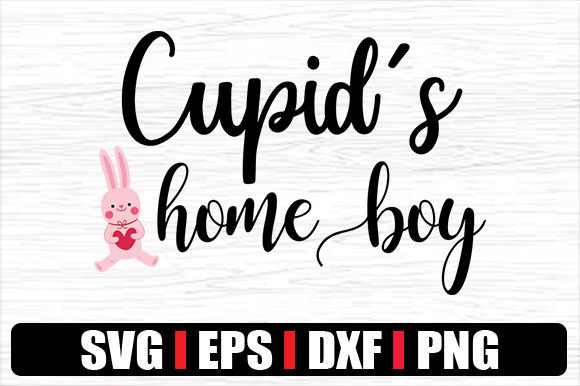
The immediate takeaway from Cupid s Homeboy is its confident, slightly irreverent energy. Unlike traditional romantic motifs that lean heavily into soft pastels and delicate script, this design carries a modern, streetwear-inspired attitude. It feels less like a greeting card and more like a statement piece for a boutique apparel line or a trendy gift shop.
From a layout perspective, the typography and graphical elements are balanced in a way that suggests they were built with digitizing constraints in mind. The visual weight is distributed evenly, which is crucial for maintaining stability during high-speed stitching. For an Etsy seller or small shop product creator, this distinction matters. Customers today are savvy; they can tell the difference between a design that was traced hastily and one that respects the mechanics of embroidery. This file feels intentional.
Real-World Application: Where Does It Shine?
To truly judge an embroidery file, you have to imagine it on a finished product. Let’s look at a few scenarios where Cupid s Homeboy would perform exceptionally well.
- Custom Apparel and Sweatshirts: This design has the boldness required for chest logos on crewneck sweatshirts or oversized t-shirts. The contrast needed for this kind of sweatshirt embroidery is typically high, and the design’s graphic nature lends itself perfectly to white or bright thread colors against dark heather fabrics. It reads clearly from across a room, which is essential for brand visibility at craft fairs.
- Tote Bag Design: Canvas tote bags are a staple for the handmade market. Because canvas is a sturdy, woven fabric, it handles fill stitch areas and dense text without puckering. Placing Cupid s Homeboy on the front panel of a canvas bag creates a durable, long-lasting accessory that customers will actually use, rather than something that gets tossed after one season.
- Holiday Embroidery and Gifts: While rooted in Valentine’s themes, the "homeboy" aspect gives it a platonic, friendly edge. This makes it versatile for friend-gifts, Galentine’s day items, or even general "love yourself" themed merch. It works beautifully as a personalized gift for someone who appreciates humor over sentimentality.
- Embroidered Patch: If you plan to sell patches as standalone accessories, this design’s self-contained composition allows for clean applique borders or satin stitch outlines. It translates well to iron-on or sew-on patches for denim jackets and backpacks.
Technical Considerations and Fabric Constraints
No design is perfect for every surface. As a professional reviewer, I must highlight where Cupid s Homeboy requires careful handling to avoid common embroidery pitfalls.
Small Hoop Sizes: If you are working with limited hoop space, such as on baby clothes or small caps, you must ensure the design scales down cleanly. Tiny lettering or intricate decorative accents can become muddy if the stitch density is too high for the reduced scale. Always preview the scaled version in your software before cutting fabric.
Fabric Texture and Stability: This design likely contains areas of varying density. On textured fabrics like bouclé or heavy tweed, the needle may struggle to penetrate consistently, leading to skipped stitches. On stretchy knits, insufficient stabilizer usage can cause the entire design to distort. I recommend using a cut-away stabilizer for garments and a tear-away for stable wovens, but always test first.
Dense Stitch Areas: If the design includes large blocks of fill stitch, be mindful of thread breaks. High-density areas generate heat and friction. Using high-quality polyester threads with a sheen can help reduce breakage and improve the final sheen of the finished product.
Design Assets and Commercial Viability
For the craft business owner, the value of a design isn't just in its appearance, but in its adaptability. The fact that these are high-quality vector SVG files means you aren't locked into a single embroidery format. You can use the vector data to create printable mockups for your online store, allowing customers to visualize the design on various products before purchase. This flexibility is a huge advantage for digital product sellers who want to offer multiple variations of the same asset.
Furthermore, the clean lines of the graphics make it suitable for applique design techniques. If your machine supports it, converting parts of the text or graphics into applique can add texture and depth, elevating a standard embroidery project into a premium offering. This adds perceived value, allowing you to price your handmade product higher.
Practical Designer Notes Before You Stitch
Before committing to a full production run, follow these steps to ensure quality control:
- Test on Scrap Fabric: Never trust a digital preview completely. Stitch the design on the actual fabric type you intend to sell. Check for puckering, thread tension issues, and color accuracy.
- Check Thread Color Contrast: Ensure the chosen thread colors provide enough contrast against the fabric background. Low contrast can make the design illegible, especially in smaller sizes.
- Review Stitch Density: Zoom in on the digitized file. Are there any overlapping stitches that shouldn't be there? Is the underlay sufficient to hold the fabric in place?
- Black and White Mockup: View the design in grayscale. This helps you assess the balance of light and dark areas without being distracted by color choices.
- Confirm Licensing: If you plan to sell finished items, verify the commercial use rights of the file. Even though it is a commercial embroidery asset, some licenses restrict the number of units you can produce.
Final Verdict
Cupid s Homeboy is a strong addition to any designer’s library, particularly for those focusing on modern, youth-oriented, or humorous Valentine’s Day collections. It avoids the clichés of traditional romance while still delivering a clear emotional message. Its structure supports a wide range of applications, from tote bag design to baby embroidery, provided the user respects basic embroidery best practices.
For the creative entrepreneur looking to expand their design assets with something that stands out in a crowded marketplace, this file offers a blend of style and technical soundness. Just remember: the file is only half the equation. Your choice of fabric, stabilizer, and thread will ultimately determine whether this design becomes a bestseller or a cautionary tale. Test thoroughly, stitch confidently, and let the design do the talking.