I Will Always Love Embroidery Design Review
As a designer who spends more time than I care to admit staring at stitch density charts and troubleshooting tension issues, I approach every new embroidery file with a mix of curiosity and skepticism. We have all seen the endless streams of generic quotes flooding digital marketplaces. But when I first pulled up I WILL ALWAYS LOVE, something about it caught my eye—not because it was overly complex, but because of its potential for clean, impactful execution in a real-world commercial setting.
This isn’t just another decorative clipart; it is a statement piece that relies heavily on typography and layout. For those of us in the craft business, particularly Etsy sellers and makers of personalized gifts, the devil is always in the details. Today, I am breaking down how this design performs under the needle, where it shines, and where you might want to tread carefully before committing it to your next production run.
First Impressions: Mood and Visual Personality
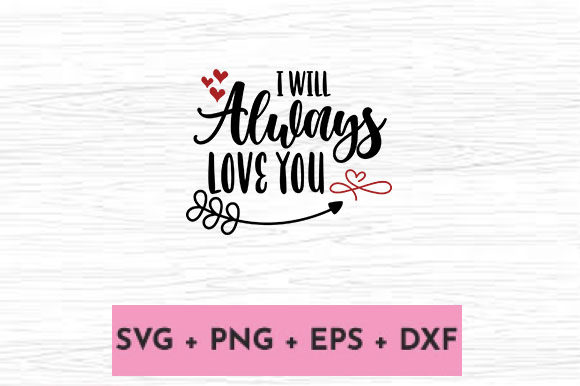
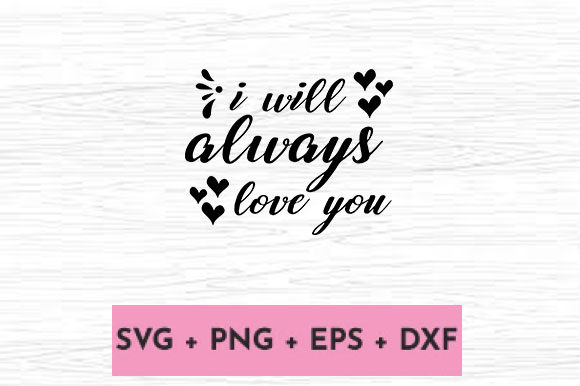
The phrase "I WILL ALWAYS LOVE" carries an inherent weight. It is timeless, romantic, and deeply personal. Visually, the design leans into a classic, perhaps slightly retro or bold sans-serif aesthetic (depending on the specific font variation used in the vector source). The mood it creates is one of unwavering commitment. It feels less like a fleeting trend and more like a staple.
From a design perspective, the layout is spacious. This is crucial for embroidery. Unlike intricate floral patterns that can get lost in fabric texture, a strong typographic design needs room to breathe. I WILL ALWAYS LOVE offers that breathing room. It suggests confidence. When you see this on a finished product, it doesn’t look cluttered; it looks intentional. This visual clarity translates directly to perceived value. Customers often associate clean, legible stitching with higher-quality craftsmanship, even if they aren’t technically aware of what constitutes good digitization.
Real-World Application: Where Does It Fit?
Let’s talk about actual use cases. I recently imagined using this design for a custom order—a pair of matching sweatshirts for a couple celebrating their anniversary. The scenario felt right. The design is versatile enough to work across various mediums, but it truly excels in specific categories.
- Custom Apparel: On a heavyweight cotton sweatshirt or a structured t-shirt, this design anchors the garment. The bold letters stand out against the fabric texture without looking overwhelming. It works beautifully as a chest logo or a centered back print.
- Tote Bags: A canvas tote bag embroidered with I WILL ALWAYS LOVE instantly becomes a boutique-style accessory. It elevates a simple utility item into a fashion statement. The durability of the embroidery ensures it survives the daily wear and tear that tote bags inevitably face.
- Baby Items: While the phrase is romantic, it also resonates with parental love. Stitched softly onto a baby blanket, a onesie, or a nursery pillow cover, it takes on a tender, familial tone. The key here is scale; smaller hoop sizes require careful attention to detail to ensure the letters remain readable.
- Holiday Gifts: Valentine’s Day is the obvious peak season, but the sentiment fits year-round. It makes for an excellent wedding gift, anniversary present, or even a heartfelt Mother’s Day item. Its broad emotional appeal means it has a longer shelf life than seasonal designs tied strictly to holidays.
Technical Considerations and Potential Pitfalls
No design is perfect, and understanding the limitations of I WILL ALWAYS LOVE is just as important as knowing its strengths. Embroidery is a subtractive process in many ways—you are adding thread, but you are also constrained by the physics of fabric and machine mechanics.
Fabric Texture and Stability: If you plan to embroider this on a highly textured fabric, such as a bouclé knit or a rough linen, you may encounter issues with stitch definition. The background noise of the fabric can compete with the lettering. Similarly, thin fabrics like silk or lightweight rayon require a robust stabilizer solution. Without proper support, the tension of the fill stitch or satin stitch can pucker the material, distorting the message.
Small Details and Hoop Size: One area to watch is the smallest parts of the letterforms. If your digitizer has included fine serifs or thin connecting lines, these can become fragile points during stitching. On a small hoop size, such as a 4x4 inch patch or a cap front panel, ensure that no critical detail is too close to the edge of the hooping area. Curved surfaces, like baseball caps, add another layer of complexity; the design must be adjusted to accommodate the curve, or it will look distorted on the finished product.
Thread Color Contrast: The success of any text-based design hinges on contrast. Light thread on dark fabric, or dark thread on light fabric, is non-negotiable for readability. Avoid low-contrast combinations like navy blue thread on black fabric unless you are aiming for a very subtle, tonal effect. For a design meant to be read quickly, high contrast builds trust and professionalism.
Stitch Density and Durability
Check the stitch density of the file. High-density fills can make a project feel stiff and heavy, which might not be desirable for a soft baby blanket or a delicate apron. Conversely, too little density can lead to visible fabric showing through, especially on darker threads. A balanced density ensures the design lies flat and smooth, contributing to a premium feel.
Practical Designer Notes for Production
Before you rush into a large batch of commercial embroidery projects, follow these practical steps to ensure quality control.
- Test on Scrap Fabric: Never assume a design will behave perfectly on your final material. Always run a test stitch-out on a scrap piece of the exact same fabric and stabilizer combination you plan to use.
- Review in Black and White: Convert your digital mockup to grayscale. This helps you assess the contrast and balance of the design without being distracted by color choices. It reveals if certain areas are too heavy or too light.
- Inspect Small Details: Zoom in on your digitizing software. Look for any overlapping stitches or unnecessary jumps that could cause thread breaks. Ensure that any running stitch accents are securely anchored.
- Confirm Licensing: As a digital product seller or small shop owner, verify the licensing terms. Does the purchase allow for commercial use of the finished physical goods? Most reputable sources allow this, but it is vital to confirm before listing items on Etsy or your own website.
- Stabilizer Selection: Use the appropriate stabilizer. Cut-away stabilizers are generally best for stretchy fabrics like jerseys or fleece, while tear-away may suffice for stable wovens. Proper stabilization prevents distortion and ensures the embroidery project remains crisp after washing.
Final Verdict: Value and Professionalism
Ultimately, I WILL ALWAYS LOVE is a solid addition to any designer’s library. It strikes a balance between emotional resonance and technical simplicity. It is not trying to be everything to everyone; it is focused, clear, and effective.
For the creative entrepreneur, this design offers a reliable way to create handmade products that customers will actually use and cherish. It enhances brand consistency by offering a recognizable, high-quality aesthetic. Whether you are creating a single personalized gift for a friend or stocking a boutique with custom apparel, this design provides a professional foundation.
Its versatility extends beyond traditional garments. Consider using it on embroidered patches for denim jackets, on kitchen towels for housewarming gifts, or on pillow covers for nursery decor. The ability to adapt the design to different design assets and product types maximizes its ROI.
In a market saturated with generic content, I WILL ALWAYS LOVE stands out by offering genuine sentiment executed with practical design intelligence. It respects the medium of embroidery while delivering a message that transcends trends. For anyone looking to expand their catalog with meaningful, well-crafted pieces, this is a wise investment. Just remember: the magic happens in the preparation. Test thoroughly, choose your materials wisely, and let the quality of your stitching speak for itself.