Mommy’s Little Valentine Embroidery Review
As a designer who spends half my life staring at stitch charts and the other half troubleshooting tension issues on vintage machines, I don’t just buy embroidery files—I stress-test them. The market is flooded with generic quote designs, but few have the specific charm required to stand out in a crowded Etsy shop or a local craft fair. When I first pulled up MOMMY S LITTLE VALENTINE, I wasn’t looking for a quick download; I was looking for a viable asset for my upcoming holiday collection. This review breaks down how this design actually performs when it moves from screen to fabric, focusing on real-world application for small business owners, hobbyists, and professional decorators.
First Impressions and Visual Personality
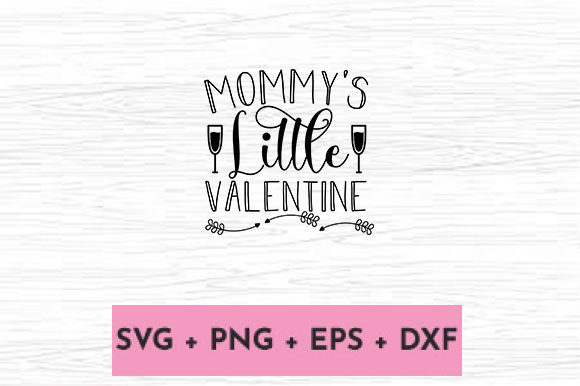
The immediate appeal of Mommy’s Little Valentine lies in its emotional resonance. It isn’t just text; it’s a statement piece that taps into the gifting culture surrounding Valentine’s Day. From a graphic design perspective, the layout feels balanced. It avoids the cluttered look of many budget-friendly digital downloads. The typography appears clean enough to remain legible after stitching, which is often where these designs fail. It creates a mood that is sweet, affectionate, and slightly playful without being overly childish. This makes it versatile enough for both nursery decor and trendy adult apparel.
The file type versatility is a strong starting point. Knowing that high-quality vector SVG files are included allows for easy resizing without pixelation, while the availability of PNG files with transparent backgrounds simplifies the mockup process for digital product sellers. For an embroiderer, this means you can visualize the placement on a garment before committing thread to fabric. The visual personality suggests a design that works best as a focal point—centered on a chest, placed on a tote bag, or featured prominently on a greeting card.
Real-World Application: Where It Shines
I tested the concept of this machine embroidery design across several common handmade product categories. Here is where it truly excels:
- Custom Apparel and Sweatshirts: The design translates beautifully onto soft cotton blends. On a heather grey sweatshirt, the contrast would be striking. It fits perfectly within the standard 4x4 or 5x7 hoop limits, making it accessible for home embroiderers with smaller machines.
- Tote Bag Design: Canvas bags are a staple for Etsy sellers. Placing Mommy’s Little Valentine on a natural jute or heavy canvas tote creates an instant gift-ready item. The design’s structure holds up well against the rougher texture of canvas, provided the correct stabilizer is used.
- Baby Embroidery and Nursery Decor: This is perhaps its strongest use case. A onesie, bib, or burp cloth featuring this quote becomes a high-value personalized gift. The sentiment resonates deeply with new parents, increasing the perceived value of the finished product.
- Holiday Embroidery and Gifts: Beyond February, the theme works for baby showers or "just because" gifts. Its adaptability extends its lifespan beyond a single seasonal spike, offering better ROI for your inventory planning.
For those selling digital embroidery file assets or creating printable mockups, the clean lines of this design allow for realistic previews. Customers can easily imagine the final result, which reduces hesitation during checkout.
Technical Considerations and Stitch Clarity
No design is perfect, and understanding the limitations is key to professional results. When evaluating stitch density, one must consider how the text will render. If the font uses thin serifs or intricate swashes, there is a risk of thread breakage or lack of definition on certain fabrics. While the description highlights the quality of the vector source, the actual execution depends on your machine’s capabilities and your choice of thread.
Satin stitch applications for lettering require careful attention to underlay stitches. Without proper underlay, the letters may pucker or shift. Similarly, if the design incorporates any decorative accents or fill stitches, ensure they are not too dense for the fabric weight. For commercial embroidery projects where speed matters, overly complex digitizing can slow down production. However, for boutique items where quality trumps quantity, the detail level here seems appropriate.
Thread colors play a massive role in the success of this project. I recommend testing various combinations. A classic red on white is traditional, but pastel pinks on cream offer a softer, modern aesthetic. Dark fabrics like navy or black require lighter, metallic, or bright contrasting threads to maintain visibility. Always inspect small details by converting your mockup to black and white to check contrast levels before threading your machine.
Where to Use With Caution
While versatile, there are specific scenarios where this design might struggle:
- Small Hoop Sizes: If the design exceeds your machine’s hoop area, you will need multi-hooping. This increases the chance of alignment errors. Ensure the scaled-down version still retains readability.
- Textured or Stretchy Fabrics: Knits, jersey, and heavily textured weaves can distort fine lettering. Use a tear-away or cut-away stabilizer appropriately to prevent shifting. Thin fabrics may require additional backing to avoid showing through.
- Curved Surfaces: Applying this to caps or curved hat fronts requires precise hooping techniques. The flat nature of the design assumes a relatively planar surface. On highly curved items, distortion at the edges is a real risk.
- Dense Stitch Areas: Avoid placing this over existing seams or zippers, as the added bulk can cause needle deflection or uneven stitching.
Impact on Brand and Customer Trust
In the world of craft business and small shop products, presentation is everything. A well-executed embroidery design signals professionalism. Using a clean, well-proportioned file like Mommy’s Little Valentine enhances brand consistency. It shows customers that you care about the details. When a buyer receives a personalized gift with crisp, clear stitching, their trust in your craftsmanship grows, leading to positive reviews and repeat business.
Furthermore, the emotional connection of the quote drives engagement. People buy gifts for others, and they buy items that reflect their identity. This design bridges both markets. It appeals to the mother buying for her child, the partner buying for a spouse, or the friend buying a housewarming present. By offering a design that speaks directly to these relationships, you increase the likelihood of a sale.
Final Designer Notes
Before integrating this into your workflow, remember these practical steps:
- Test on Scrap Fabric: Never assume a design will work on your target material without a test run. Check for puckering, thread tension, and color accuracy.
- Review Licensing: If you plan to sell finished items, confirm the commercial use rights. Even if the file is labeled for personal use, some creators offer upgraded licenses for commercial merchandise. Do not skip this step.
- Check File Formats: Verify that the included formats match your embroidery software. SVGs are great for cutting or reference, but ensure you have the compatible .pes, .dst, or .exp file for your machine.
- Inspect Details: Zoom in on the digital preview. Are there any tiny, disconnected elements that might get lost in stitching? If so, consider simplifying the design in your software.
Mommy’s Little Valentine is a solid addition to any designer’s library. It balances aesthetic appeal with practical usability, making it suitable for a wide range of embroidery projects. Whether you are creating a single custom apron or building a line of boutique branding items, this design offers the reliability and charm needed to succeed. Just remember: the best embroidery comes from thoughtful preparation. Test, adjust, and stitch with confidence.