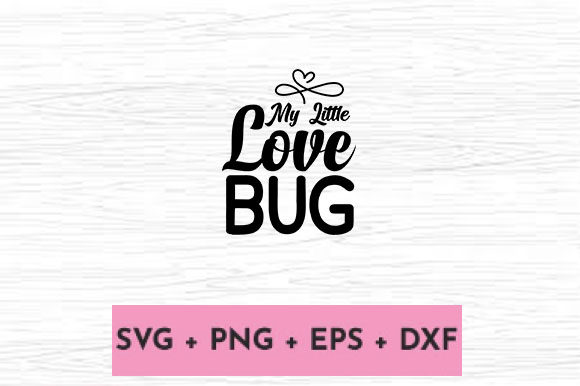
MY LITTLE LOVE BUG: A Designer’s Review
As a designer who spends more time staring at stitch charts and fabric swatches than sleeping, I have learned to trust my gut when it comes to evaluating a new machine embroidery design. It is not just about how the digital file looks on a screen; it is about how that design translates into physical reality. When I first pulled up MY LITTLE LOVE BUG, I immediately thought about where this would live in a real-world project. The title suggests something sweet, perhaps a bit nostalgic, and definitely geared toward the Valentine’s Day market or romantic gifting season. But does it hold up as a serious asset for a craft business or a personal handmade project? Let us break down the practicalities of using this design.
The First Impression and Visual Personality
The immediate mood of MY LITTLE LOVE BUG is one of playful affection. In the world of embroidery files, "cute" can sometimes tip over into "cheap," but this design strikes a balance that works well for boutique-style items. The visual personality feels approachable and warm, which is exactly what you want when creating a personalized gift for a significant other or a baby shower present. The layout appears clean, allowing the eye to rest on the central motif without being overwhelmed by excessive clutter. This simplicity is actually a strength in embroidery, as complex backgrounds often get lost in the stitching process unless you are working with high-end commercial machines and expensive thread counts.
From a graphic design perspective, the vector nature of the source files means the lines should remain crisp. However, the true test is always in the execution. The theme fits naturally into the Crafts and Graphics categories, serving as a versatile asset for anyone looking to add a touch of whimsy to their inventory. It feels like a design that invites interaction—something a customer might point to and say, "That is exactly the kind of charm I was looking for."
Real-World Application: Where Does It Shine?
I recently imagined taking this design and applying it to a custom embroidered tote bag made from heavy-duty canvas. The contrast between the sturdy fabric and the delicate bug motif creates a nice textural interplay. For an Etsy seller, this is a prime candidate for a tote bag design that can be marketed as a date-night accessory or a valentine’s day carry-all. The design’s scale seems appropriate for placement on the front pocket of such a bag, offering visibility without dominating the entire surface area.
Beyond bags, I see strong potential in sweatshirt embroidery. Imagine this stitched onto the chest of a cozy, oversized cream-colored sweatshirt. The softness of the knit fabric complements the likely soft fill stitches of the design. It transforms a basic garment into a statement piece of custom apparel. Similarly, for those in the nursery decor space, this design could work beautifully on a baby onesie or a burp cloth. The term baby embroidery often requires designs that are gentle and non-irritating, and a simple bug motif usually checks those boxes, provided the backing stabilizer is removed properly after stitching.
Another exciting avenue is the embroidered patch market. If you produce patches for clients to iron or sew onto denim jackets, this design offers a clear focal point. Patches allow for a border that frames the art, giving the finished product a polished, professional look. It also lends itself well to kitchen towel designs, adding a splash of color and humor to a mundane household item. Whether you are creating a holiday embroidery collection or year-round romantic gifts, this design has the flexibility to fit multiple niches.
Where Caution Is Required
However, no design is perfect for every situation. There are specific scenarios where MY LITTLE LOVE BUG might struggle. If you plan to use this on a curved surface like a baseball cap, you must ensure your machine has excellent hooping stability. Curved surfaces can distort fine details, so if the bug’s antennae or legs are very thin, they might merge together during stitching. I would advise against using this on stretchy fabrics like spandex blends unless you are using a heavy-duty tear-away stabilizer, as the distortion could ruin the symmetry of the image.
Additionally, consider the fabric texture. On a heavily textured boucle wool or a nubby linen, small details may disappear. The design relies on clear definition, so smooth cottons, polyesters, or blends are safer bets. Also, be mindful of dark fabrics. If the design uses light thread colors for highlights, you may need to add a layer of white underlay or backing to prevent show-through, which adds bulk. Always inspect the small details before committing to a large production run.
Stitch Quality and Product Value
The visual appeal of any embroidery project is directly tied to its stitching clarity. With MY LITTLE LOVE BUG, the key to success lies in the stitch density. If the fill areas are too dense, the fabric will pucker, making the handmade product feel stiff and uncomfortable. Conversely, if the density is too low, the fabric may show through the threads, reducing the perceived value. As a reviewer, I recommend testing the design on scrap fabric first to gauge how the threads lay. You want a smooth, satin-like finish that reflects light nicely, enhancing the brand consistency of your shop.
Thread colors play a huge role here. Since the source is a vector SVG, you have control over the color palette. I suggest experimenting with metallic threads for the bug’s outline to give it a premium feel, or sticking to pastel tonal threads for a softer, more modern aesthetic. The right thread choice can elevate a simple design into a luxury item, increasing buyer engagement and justifying a higher price point.
Practical Designer Notes for Success
- Test on Scrap Fabric: Never assume a design will stitch perfectly out of the box. Always run a test stitch to check for tension issues.
- Check Stabilizer Usage: Use the correct type of stabilizer (cut-away for knits, tear-away for wovens) to support the hoop size and prevent shifting.
- Review Stitch Density: Ensure the design is not overly dense, which can cause puckering and make the finished product feel rigid.
- Inspect Small Details: Zoom in on the digital file to ensure that tiny elements like eyes or antennae are not so small they will become indistinguishable blobs after stitching.
- Mockup Testing: Create a black and white mockup to check contrast levels. This helps you decide if you need to adjust thread colors for better visibility on different fabrics.
- Licensing Check: Before selling any commercial embroidery items, confirm the license terms. Even though the files are high-quality, you must ensure you have the right to sell finished goods bearing the design.
Final Verdict
MY LITTLE LOVE BUG is a charming, versatile addition to any designer’s library. It captures a specific emotional niche—the sweetness of love and affection—with a level of detail that feels intentional rather than accidental. For the small shop owner or creative entrepreneur, this design offers a low-risk, high-reward opportunity to tap into the romantic gifting market. Whether you are creating a printable mockup for your online store or stitching a one-of-a-kind personalized gift, this design provides a solid foundation for a beautiful embroidery project. Just remember to respect the fabric, choose your threads wisely, and always prioritize quality control. When done right, the result is not just an embroidered bug, but a tangible expression of care that customers will cherish.