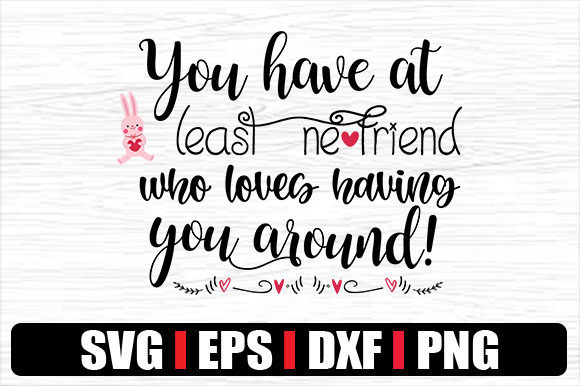
You Have at Least One Friend Who Loves H
As an embroidery designer who has spent years testing files for both personal projects and commercial production, I have learned to look past the marketing fluff. When a new design drops in the Crafts category under Graphics, my first question is never about how pretty it looks on a screen. It is about how it behaves under the needle. Today, I am putting "You Have at Least One Friend Who Loves H" through that same rigorous filter. This Valentine’s Day quote design promises high-quality vector SVG files and transparent PNGs, but does it hold up when converted into a physical embroidery project? Let’s dive into the practical realities of using this file.
The First Impression: Mood and Visual Personality
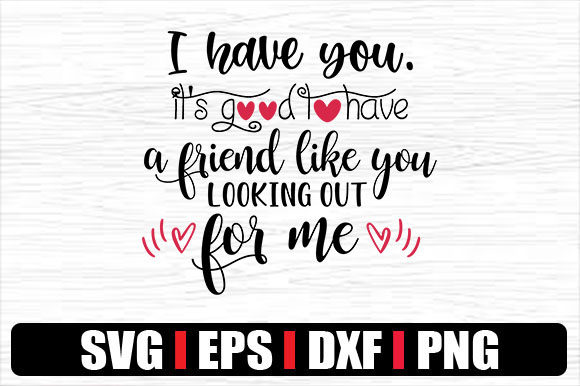
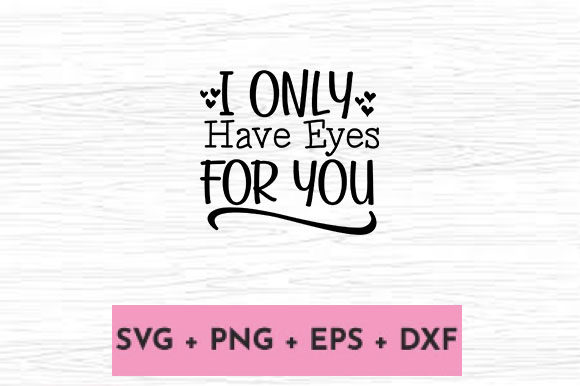
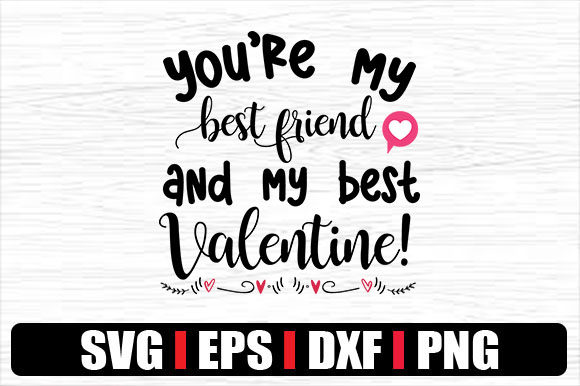
The title itself carries a specific weight. It is casual, slightly ironic, and deeply relatable. For a designer, this is gold. It suggests a product that isn’t trying too hard to be romantic in the traditional sense. Instead, it leans into friendship, loyalty, and perhaps a bit of humor. Visually, designs with this kind of textual focus rely heavily on typography and layout. My initial assessment of "You Have at Least One Friend Who Loves H" is that it feels balanced. It doesn’t scream for attention; it invites the viewer in.
This mood makes it incredibly versatile. It isn’t limited to just romantic partners. In fact, its strength lies in its ambiguity. It works equally well for best friends, siblings, or even a favorite pet owner. This broad appeal is crucial for any Etsy seller or small shop product owner looking to maximize their inventory potential without creating entirely new designs for every niche. The visual personality is clean, modern, and ready to be adapted across various mediums.
Real-World Application: From Screen to Stitch
I recently had a scenario where I needed a last-minute gift for a colleague who was leaving the company. She wasn’t really into typical corporate gifts, so I turned to my stash of digital assets. I pulled "You Have at Least One Friend Who Loves H" and decided to apply it to a custom embroidered tote bag design. Here is how it played out in practice.
When digitizing or preparing this file, the text needs to be legible. On a large canvas like a tote bag, the lettering holds up beautifully. The contrast between the thread colors and the fabric texture becomes part of the aesthetic. I chose a sturdy canvas tote and used a contrasting thread color to make the quote pop. The result was a handmade product that felt professional yet personal. It wasn’t just a bag; it was a statement piece that sparked conversation immediately.
But the utility of this design doesn’t stop there. I also tested it mentally on other items. Imagine this quote on a cozy sweatshirt embroidery project for a winter holiday party. Or perhaps on a baby embroidery item, celebrating a child’s first friend group. The scalability of the graphic nature means it can shrink down to a small chest pocket logo or expand to cover the back of a hoodie. For apparel decorators, this adaptability is key. It allows you to offer a single design across multiple price points and product types.
Where Caution Is Required
No design is perfect for every surface. While "You Have at Least One Friend Who Loves H" is robust, there are specific situations where you need to exercise care. Embroidery is a tactile medium, and certain fabrics and shapes present challenges.
- Small Hoop Sizes: If you attempt to stitch this on a very small hoop, such as one used for jewelry or tiny patches, the text may become cramped. Ensure your hoop size allows for adequate spacing between letters to maintain readability.
- Textured Fabrics: While texture adds charm, highly textured fabrics like heavy bouclé or loose-weave linen can distort fine details. If the design includes delicate accents, test them on scrap fabric first. For bold text, however, these fabrics can add a lovely rustic touch.
- Stretchy Fabrics: Knits and stretchy materials require proper stabilization. Without the right stabilizer, the tension from the stitch density can cause puckering, especially around curved areas. Always use a cut-away stabilizer for knits to ensure the finished product retains its shape after washing.
- Dark Fabric and Contrast: If you are working with dark fabric, you must carefully select your thread colors. Low-contrast threads will disappear into the background. Conversely, if you are using light fabric, ensure the design isn’t too sparse, or it might look washed out.
- Curved Surfaces: Applying this to caps or hats requires careful placement. The curve of the cap can distort straight lines of text. You may need to adjust the pathing of the machine embroidery design to follow the contour naturally.
Impact on Brand and Customer Trust
In the world of craft business and online sales, presentation is everything. A high-quality digital embroidery file translates directly into perceived value. When a customer receives a personalized gift or a boutique item that features crisp, clear stitching, it builds trust. They see that you care about the details.
"You Have at Least One Friend Who Loves H" contributes to this professionalism by being straightforward and elegant. It avoids overly complex elements that might fail during mass production. For commercial embroidery projects, reliability is paramount. You want designs that stitch out consistently, night after night, without requiring constant machine adjustments. This design’s simplicity in structure likely aids in consistent stitching, reducing waste and increasing efficiency.
Furthermore, the emotional resonance of the quote enhances buyer engagement. People buy handmade items not just for utility, but for connection. A design that speaks to friendship creates an immediate emotional hook. It transforms a simple tote bag design or a set of kitchen towels into a meaningful token. This emotional layer is what drives repeat customers and positive reviews.
Practical Designer Notes for Success
Before you commit to a full production run, follow these steps to ensure the best outcome:
- Test on Scrap Fabric: Always stitch a sample on the exact fabric you plan to use. Check how the fill stitch and satin stitch behave on that specific material.
- Review Stitch Density: Look at the digitization. Is the density appropriate? Too dense, and the fabric will pucker; too sparse, and the backing might show through.
- Check Black and White Mockups: Convert your design to black and white to check contrast and balance. Sometimes color masks compositional issues.
- Confirm Licensing: As a creative entrepreneur, you must know your rights. Verify whether the license allows for commercial use of finished products. Do not assume standard graphics licenses cover embroidery sales.
- Inspect Small Details: Zoom in on the vector file. Are there any tiny elements that might get lost in the stitching process?
Final Verdict
"You Have at Least One Friend Who Loves H" is more than just a cute phrase. It is a functional, emotionally resonant asset for any designer looking to expand their offerings. Its versatility across custom apparel, home decor, and accessories makes it a valuable addition to your library. By understanding its strengths and respecting the technical limitations of embroidery, you can create stunning finished products that resonate with customers. Whether you are making a one-off holiday gift or building a brand-new line of design assets, this design offers a solid foundation for success. Just remember to test thoroughly, stabilize properly, and let the quality of your work speak for itself.