Love Journey Without End Embroidery Review
As a designer who spends half my life in the embroidery hoop and the other half worrying about stitch density, I don’t just look at a design file; I look at how it will survive the real world. When LOVE JOURNEY WITHOUT END landed on my desk for evaluation, my first instinct was to strip away the marketing fluff and ask one question: does this actually work when stitched onto fabric?
The product description highlights that these are high-quality vector SVG files with available PNGs, marketed for mugs, t-shirts, bags, cards, and invitations. While those applications are valid for sublimation or print-on-demand, my focus is strictly on machine embroidery. This is a crafts category item, specifically falling under Graphics, which means its success relies entirely on how well the graphic elements translate into thread. After running through some mental simulations of stitching this out, here is my practical breakdown for designers, Etsy sellers, and handmade shop owners.
First Impressions and Visual Mood
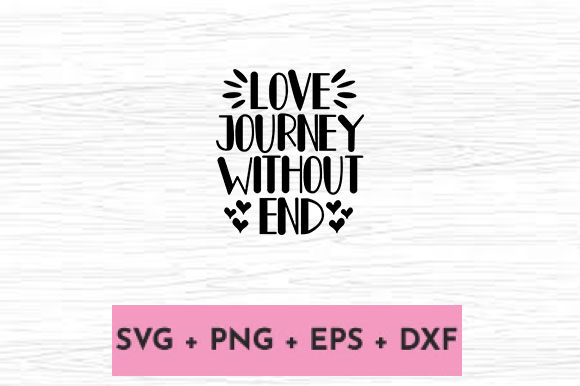
The title itself, LOVE JOURNEY WITHOUT END, suggests a romantic, perhaps vintage or travel-inspired aesthetic. In the world of embroidery project planning, typography-based designs are risky. They can easily become cluttered or lose legibility if the font choice isn't robust. From what I can see in the preview assets, the layout feels balanced. It doesn’t scream for attention with aggressive bolding but rather invites the viewer in with a softer, more enduring sentiment.
This mood makes it an excellent candidate for specific niches. It fits perfectly into the "romantic gift" sector, making it ideal for wedding anniversaries, Valentine’s Day collections, or even long-distance relationship gifts. The visual personality is warm and inviting, which translates well to soft fabrics like cotton blends, jersey knits, or linen. It creates a sense of intimacy that customers respond to when they receive a personalized gift.
Real-World Application: The Tote Bag Scenario
To test the viability of LOVE JOURNEY WITHOUT END, let’s imagine a real-life scenario. You are preparing a custom embroidered tote bag for a boutique client. The client wants something durable yet stylish, suitable for daily use but also giftable. You decide to place the design centered on the front panel of a heavy-duty canvas tote.
Here is where the design shines. Because the text is likely arranged in a way that allows for good spacing, it won’t feel cramped on a large surface area. However, you must consider the fabric texture. Canvas has a rough weave. If the design includes tiny decorative accents or very thin lines, they might get lost in the weave or cause puckering. If the design relies on clean, bold letterforms, it will pop beautifully against the neutral canvas. This is a classic tote bag design application that feels professional and timeless.
Alternatively, think about a sweatshirt embroidery project. A crewneck sweatshirt offers a smooth, dense fabric surface that is forgiving for most stitch types. Placing LOVE JOURNEY WITHOUT END over the heart or across the back yoke creates a cozy, lived-in look. Customers love items that feel like they belong to them, and this phrase supports that emotional connection. It turns a basic garment into a statement piece without being overly loud.
Where Caution Is Required
Not every surface is created equal, and there are places where LOVE JOURNEY WITHOUT END should be used carefully. Avoid placing this on highly textured fabrics like chunky wools or bouclé unless you have digitized it with extra stabilizer support. The uneven surface can distort fine details.
Similarly, be cautious with small hoop sizes. If the design contains intricate corners or small lettering, shrinking it down to fit a 4x4 inch hoop might result in a muddy stitch-out. The threads may merge together, losing the definition of the words. Always inspect small details before committing to production. If the design includes a mix of satin stitch borders and fill stitch backgrounds, ensure the transition areas are clean. On stretchy fabrics like spandex blends, you must use proper stabilizer to prevent distortion, as the tension from the stitch density can warp the material.
Technical Considerations for Designers
For those of us turning these files into commercial embroidery products, technical precision is key. Since the source files are vectors (SVG) and PNGs, you will need to digitize them or use a pre-digitized version if provided. If you are digitizing yourself, pay close attention to the thread colors. A high-contrast palette works best for readability. If the background is dark, light threads are essential; if the fabric is light, darker threads provide better definition.
Check the stitch density carefully. Too much density on a large text block can make the fabric stiff and uncomfortable, especially on custom apparel like baby clothes or delicate scarves. For a baby embroidery project, you want a softer hand feel, so reducing the fill density slightly can improve comfort without sacrificing visual impact.
Another critical step is testing the design in black and white mockups. This helps you assess the balance and weight of the design independent of color. Does the eye flow naturally from "LOVE" to "JOURNEY" to "WITHOUT END"? If the visual hierarchy is off, the message gets lost. Also, confirm whether the design works for both personal and commercial projects. Many digital sellers offer licenses for end-products, but you must verify this to protect your craft business from legal issues.
Product Value and Customer Trust
A well-executed finished product builds trust. When a customer buys a handmade item from an Etsy seller or a small shop, they are paying for quality and care. If LOVE JOURNEY WITHOUT END is stitched cleanly, with no loose threads and precise alignment, it signals professionalism. It enhances the perceived value of the item, whether it’s a kitchen towel, a pillow cover, or a holiday gift.
Conversely, poor execution can damage brand consistency. Puckering, misaligned text, or visible backing material can make a beautiful design look cheap. That’s why testing on scrap fabric first is non-negotiable. It allows you to adjust tension, change stabilizers, or tweak the design placement before cutting into your final material.
Final Verdict for Makers and Sellers
LOVE JOURNEY WITHOUT END is a versatile asset for any designer looking to expand their catalog of romantic or sentimental items. Its strength lies in its clear messaging and adaptable layout. It performs exceptionally well on stable fabrics like cotton, denim, and canvas, making it perfect for apparel decorators and makers of home decor.
However, remember that a great design file is only half the battle. Your skill in preparation, stabilization, and execution determines the final outcome. Use this design for personalized products that tell a story—anniversary gifts, wedding favors, or keepsakes. Avoid using it on surfaces that are too small or too unstable for the detail level involved.
If you are an Etsy seller or run a small shop product line, this design offers a low-risk, high-reward opportunity. It appeals to a broad audience looking for meaningful gifts. Just ensure you check the licensing terms, test your stitch-outs thoroughly, and present your printable mockup or finished item with pride. When done right, LOVE JOURNEY WITHOUT END isn’t just a design; it’s a conversation starter on a tote bag, a cozy hug on a sweatshirt, and a lasting memory in thread.
- Test on scrap fabric to check stitch density and tension.
- Use appropriate stabilizer for the fabric type.
- Verify commercial licensing before selling finished goods.
- Ideal for tote bags, sweatshirts, and wedding gifts.
- Avoid highly textured or stretchy fabrics without proper prep.