LOVE YOU with ALL MY HEART Embroidery Review
As a designer who spends more time staring at stitch lines than actual sleep, I approach every new embroidery file with a healthy dose of skepticism. The market is flooded with generic quotes and lazy vector traces, so finding a design that balances aesthetic charm with technical viability is rare. That is why I decided to put the LOVE YOU with ALL MY HEART design through its paces. This isn’t just another Valentine’s Day clipart; it is a piece of Graphics intended for the Crafts community that demands serious consideration before it hits the hoop.
I received this asset as part of a bundle described as high-quality vector SVG files with accompanying PNGs featuring transparent backgrounds. While the description mentions mugs and cards, my focus is strictly on what happens when you digitize or apply this to fabric. Does it hold up under the tension of an embroidery machine? Is it too complex for a beginner, or too simple for a pro? Let’s break down the real-world performance of LOVE YOU with ALL MY HEART.
First Impressions and Visual Personality
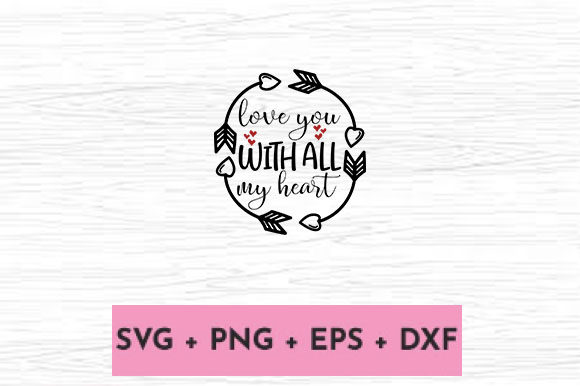
The immediate appeal of LOVE YOU with ALL MY HEART lies in its typography and layout. It doesn’t scream for attention with aggressive colors or chaotic shapes. Instead, it offers a warm, inviting mood that feels perfect for intimate, personalized gifts. The phrase itself is a classic sentiment, but the execution matters. In my initial review of the vector source, the lettering appears clean, suggesting that when converted into a machine embroidery design, the curves should translate smoothly without excessive jagged edges.
The visual personality is cozy and boutique-ready. It fits naturally into the realm of handmade products where emotional connection drives sales. Whether you are creating a personalized gift for a partner or stocking shelves for a holiday season, this design carries a weight of sincerity that resonates with buyers. It avoids being overly cutesy, which allows it to age well on apparel rather than feeling like a fleeting trend.
Real-World Application: The Tote Bag Test
To truly evaluate this design, I imagined it applied to a specific project: a custom embroidered tote bag for a small business owner. This is a common request from Etsy sellers looking for unique inventory. Here is how LOVE YOU with ALL MY HEART performs in that scenario.
Placement and Scale: On a standard canvas tote, this design works best centered on the front panel or slightly offset to the side for a more casual look. Because it is text-heavy, it requires adequate negative space around it. If placed too close to the seams or handles, the stitching might distort, especially if the bag is filled with heavy items during use. The design’s balance suggests it should sit comfortably within a 5x7 inch hoop area, allowing the heart motif (if present as a graphical element accompanying the text) to breathe.
Fabric Interaction: Canvas is a sturdy fabric, which is forgiving for most stitch density levels. However, if this design includes dense fill stitches for the word "HEART" or decorative accents, you must ensure your stabilizer is robust enough to prevent puckering. A cut-away stabilizer is recommended here to maintain the shape of the tote over time, especially since bags undergo significant stress during daily use.
Customer Reaction: When a customer picks up a tote with this message, they see effort. It signals that the seller cares about detail. For an Etsy seller or small shop product creator, this level of quality translates directly to perceived value. It elevates a $10 blank tote into a $25+ artisan item.
Performance Across Different Categories
Beyond totes, LOVE YOU with ALL MY HEART has versatile applications. Here is how it stacks up in other common embroidery project categories:
- Sweatshirt Embroidery: This is perhaps the strongest use case. A crewneck sweatshirt in cream, blush, or heather grey provides the perfect backdrop. The contrast between the soft fabric texture and the crisp threads of the quote creates a premium feel. Just be mindful of the stretch in knit fabrics; using proper hooping techniques is essential to keep the text straight.
- Baby Embroidery: For onesies or burp cloths, this design adds a sweet, sentimental touch. Parents love receiving items that express affection. However, on baby clothes, you must prioritize comfort. Ensure there are no stiff backing materials left behind and that the thread choices are soft and non-irritating. Avoid placing it on areas that rub against sensitive skin constantly.
- Applique Design Potential: If the original vector allows for color separation, this could work beautifully as an applique. Imagine a felt heart background with the white text stitched on top, or vice versa. This technique adds dimension and reduces the total thread count, making it ideal for delicate fabrics where heavy stitching might cause damage.
- Kitchen Towels and Aprons: These are staple craft fair items. The durability of the stitching is key here. Since kitchen towels are washed frequently, the integrity of the satin stitch borders (if any) is crucial. Faded or frayed threads ruin the professional look. Testing wash cycles on scrap fabric is non-negotiable.
Where to Use With Caution
No design is universally perfect, and LOVE YOU with ALL MY HEART has specific constraints you need to respect.
Small Hoop Sizes: Do not attempt to shrink this design significantly. If the text becomes too small, the individual letters may merge together, losing legibility. Tiny lettering is the enemy of clear embroidery. Stick to minimum dimensions that allow each character to be distinct.
Textured and Stretchy Fabrics: While canvas and cotton blends are safe, highly textured fabrics like chunky knits or loose-weave linens can hide the details of the stitching. Similarly, thin, stretchy synthetics require extreme care. Without the right stabilizer, the fabric will pucker, and the design will warp. Curved surfaces, such as caps or hats, also pose a challenge. The text must follow the curve of the hat without distorting, which requires precise digitizing adjustments.
Dense Stitch Areas: If the design uses heavy fill stitches for emphasis, avoid using it on lightweight silks or satins unless you are an advanced user. The weight of the thread can pull the fabric out of shape. Always check the stitch density before committing to expensive materials.
Practical Designer Notes for Success
Before you rush to print mockups or start sewing, follow these practical steps to ensure your final product looks professional.
- Test on Scrap Fabric: Never run a new design on your final product immediately. Use a scrap piece of the same fabric and stabilizer combination. This reveals potential issues with tension, needle size, or thread friction.
- Check Thread Color Contrast: The beauty of this design relies on readability. Ensure your chosen thread colors stand out against your fabric. A light grey thread on a white shirt will disappear. Use black and white mockups to test contrast before selecting colored threads.
- Review Stitch Density: Look closely at the digitization. Are there areas where the stitch length is inconsistent? Too much density can make the fabric stiff and uncomfortable; too little can leave the fabric visible through the thread. Adjust if necessary.
- Confirm Licensing: As a commercial designer, you must know your rights. Does the purchase include commercial use for finished goods? Can you sell unlimited items? Or is there a cap on the number of pieces? Clarify this before listing on Etsy or Amazon Handmade.
- Inspect Small Details: Zoom in on the digital preview. Are there tiny decorative elements that might get lost in the stitching process? If a detail is smaller than a few millimeters, it may not render well on all machines.
Final Verdict
LOVE YOU with ALL MY HEART is a solid addition to any design assets library. It strikes a balance between simplicity and charm, making it suitable for a wide range of craft business applications. From custom apparel to holiday embroidery projects, it delivers a message that customers appreciate.
It is not a revolutionary design that changes the game, but it is a reliable, high-quality tool that executes its purpose well. For the creative entrepreneur looking to add a touch of warmth to their catalog, this design offers good value. Just remember: the success of your finished product depends less on the design file itself and more on your execution—your choice of fabric, stabilizer, and thread. Treat it with respect, test thoroughly, and you will have a winning item that builds trust and engagement with your buyers.