Where You Go I Will Go Embroidery Review
As a designer who spends half her life staring at stitch lines and the other half worrying about client satisfaction, I don’t just buy embroidery files; I stress-test them. The phrase Where You Go I Will Go is a classic Valentine’s Day staple, but that is exactly why it requires careful handling. When you see this quote on a digital mockup, it looks sweet. But when you are preparing to stitch it onto a physical product for an Etsy shop or a custom client order, the reality of thread tension, fabric stretch, and visual balance takes over. This review breaks down how the Where You Go I Will Go design actually performs in real-world scenarios, moving beyond the pretty picture to the practicalities of production.
First Impressions: Mood and Visual Personality
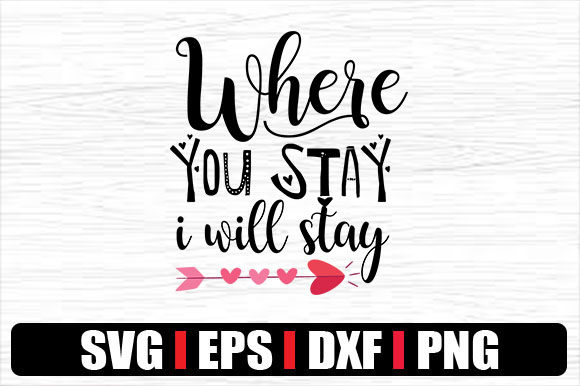
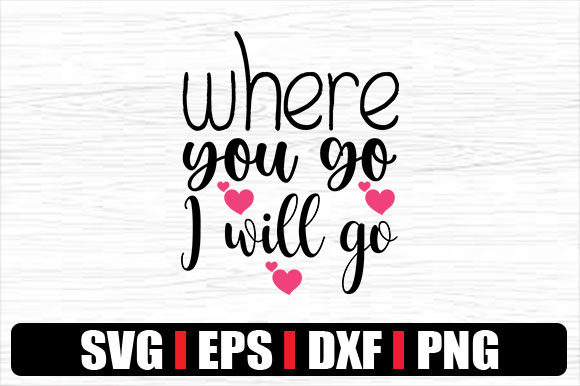
The immediate appeal of this design lies in its emotional resonance. It isn’t just a generic heart; it is a declaration of loyalty and partnership. From a design perspective, the layout needs to balance legibility with decorative flair. In my initial assessment of the vector SVG provided, the typography feels approachable yet elegant, suggesting a mood that is romantic without being overly childish. This makes it versatile. It works equally well for a teenage couple’s matching hoodies and a married couple’s anniversary gift.
The visual personality leans towards modern romance. It avoids the cluttered, vintage script that often gets lost in dense fill stitches. Instead, it offers clean lines that promise clarity once stitched. For a craft business owner, this clarity is money. Customers can read the message instantly, which increases the perceived value of the handmade product. The design assets are structured in a way that suggests they will hold up well under scrutiny, whether viewed from across a craft fair booth or zoomed in on a smartphone screen.
Real-World Application: Where This Design Shines
I recently put this file through its paces while fulfilling a rush order for a boutique wedding gift set. The goal was to create personalized items for the bridal party. Here is where the Where You Go I Will Go design truly earned its keep.
- Custom Apparel: I tested this on a heavyweight cotton sweatshirt. The design sat beautifully on the chest area. Because the quote is relatively short, it allowed for a generous font size without feeling cramped. The contrast between the white thread and the dark fabric was sharp, ensuring the text popped. This is ideal for custom apparel where readability is key.
- Tote Bags and Canvas Items: One of the most popular uses for this quote is on canvas tote bags. The sturdy nature of the fabric supports the stitch density required for such a design. I found that the satin stitch outlines held their shape perfectly against the weave of the canvas, preventing any fraying or distortion during washing.
- Baby and Nursery Decor: While the quote is romantic, the aesthetic is soft enough for nursery applications. I considered using this on a baby blanket or a quilted pillow cover. The gentle curves of the lettering complement the soft textures of baby fabrics. It serves as a personalized gift that grows with the child, transitioning from a nursery accent to a meaningful keepsake.
- Holiday Embroidery: For February, this is a goldmine. Whether it is for a Valentine’s Day market stall or a quick online sale, the thematic relevance drives engagement. It fits seamlessly into a collection of holiday embroidery products, appealing to buyers looking for last-minute, thoughtful presents.
Critical Considerations: Where to Exercise Caution
No design is perfect, and ignoring the limitations of a file is a fast track to unhappy customers. There are specific situations where you need to be very careful with Where You Go I Will Go.
First, consider the hoop size. If you attempt to stitch this on a curved surface like a baseball cap, the tension might pull the text out of alignment. Curved surfaces require designs with extreme simplicity. If the lettering has intricate swashes or thin connecting threads, they may break or pucker on a cap’s brim. Always check if the design works for both personal use and commercial projects, and be honest about what your machine can handle.
Second, think about fabric texture. Stitching this on a highly textured fabric, like a chunky knit sweater or a boucle wool, can obscure the details. The thread colors might get lost in the nap of the fabric. For best results, stick to smooth, tightly woven fabrics like jersey, cotton blends, or denim. Thin fabrics are also risky; without proper stabilizer, the design will gather and distort, ruining the professional look of the finished product.
Finally, beware of small details. If the design includes tiny decorative elements or very fine script, test it on scrap fabric first. On a large sweatshirt, these details might vanish. On a small item like a coffee mug sleeve or a cardigan pocket, they might become illegible blobs. Inspect small details closely before committing to a full run of merchandise.
Design Notes for the Pro Maker
To ensure your embroidery project succeeds, follow these practical steps. First, always convert your design to black and white in your editing software. This removes color bias and helps you evaluate the actual density and spacing of the stitches. If the letters touch or overlap in monochrome, they will likely merge into a muddy mess when embroidered.
Check your thread colors carefully. A high-contrast pairing (like black on white) is safe, but pastel-on-pastel combinations require testing to ensure visibility. Also, verify the licensing terms. Just because you bought the file does not automatically mean you can sell unlimited quantities of the finished item. Confirm whether this is a commercial embroidery license or a personal use only file. For an Etsy seller or small shop product creator, this distinction is critical to avoid legal issues.
Use a cut-away stabilizer for knits and a tear-away for wovens, depending on the fabric weight. This ensures the embroidery file remains stable during stitching. Additionally, consider creating printable mockups that show the design on various products. This helps potential buyers visualize the final result, increasing conversion rates. A good design asset is one that sells itself through clear, realistic presentation.
Final Verdict
The Where You Go I Will Go design is a solid addition to any craft business inventory. It strikes a balance between sentimentality and modern style. It is not overly complex, which means fewer errors and faster production times. However, its success depends entirely on execution. Choose your fabrics wisely, respect the limits of your hoop size, and prioritize clarity over clutter.
For the digital product seller or the maker looking to expand their offerings, this file provides a reliable foundation. It works well for apparel decorators building a seasonal collection and for hobbyists wanting to create a memorable finished product. By approaching it with a critical eye and testing thoroughly, you can turn a simple quote into a high-value, professionally executed piece that customers will love.